Most coastal owners who move to the Upstate are not running from the coast. They are tired of what comes with it: wind and flood insurance that keeps getting harder to live with, hurricane evacuations, tourist-season traffic in Charleston and on the US 278 corridor onto Hilton Head, and a long, humid summer. Greenville, Lake Keowee and The Cliffs offer four real seasons, mountains and lakes within about an hour, a downtown that works year-round, two full health systems in Prisma Health and Bon Secours, and GSP for flights. Many are also following children and grandchildren. The trade-offs are real. There is no salt water, Upstate summers are still hot unless you buy elevation, and nothing here replaces the Charleston peninsula. Many owners keep the coastal home and simply change which house is primary, which changes the property tax math.
Who This Is For (and Who It's Not)
Ideal for
- Charleston, Mount Pleasant, Daniel Island and Kiawah owners who have done enough evacuation drills and want their primary home away from the storm track.
- Hilton Head and Bluffton households who love the island in October and dread it in July.
- Couples whose children or grandchildren have settled in Greenville, often around Michelin, BMW, Prisma Health or the companies that orbit them.
- Boaters willing to trade salt water for a clear mountain lake.
- Owners who can afford to keep the coastal house as a second home and want a four-season base.
Not ideal for
- Anyone whose daily happiness depends on a beach walk or a tidal creek at sunset.
- Buyers expecting Greenville itself to be cool in summer. It is not.
- People who want Charleston's historic streets and restaurant depth in a smaller package. That package does not exist.
- Anyone assuming the Upstate is the bargain it was fifteen years ago.
Lifestyle Reality
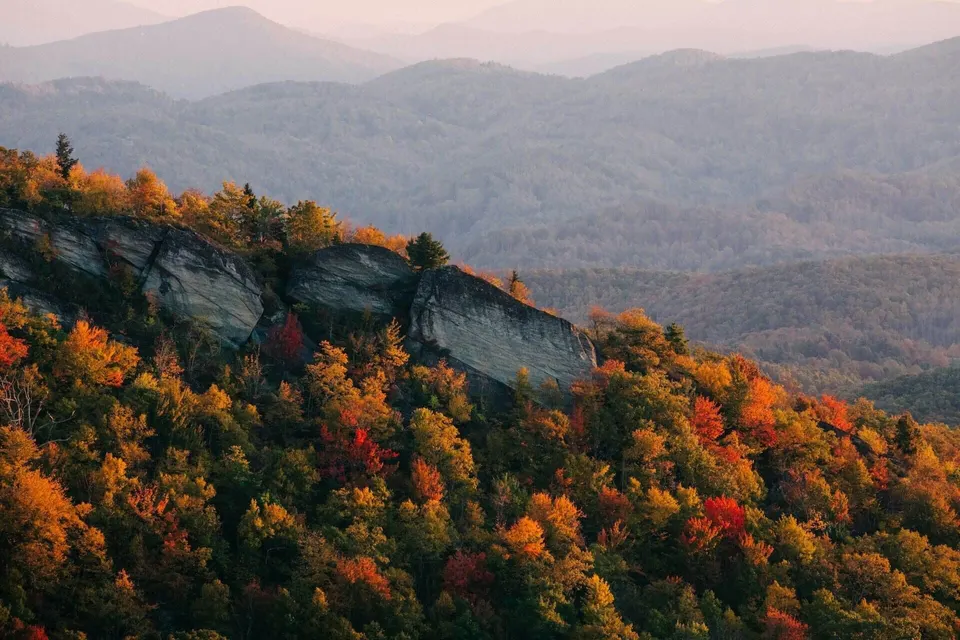
The first thing coastal people notice is the seasons. Fall actually arrives, with color on Paris Mountain and up toward Table Rock and Caesars Head. Winter is real but short. Spring is the best stretch of the year.
Summer is the part that surprises them. Greenville in July is hot and sticky, just with less salt in the air. The only thing that truly cools a summer evening here is elevation, which is why some coastal owners skip the city and go straight to the mountain communities like Glassy.
Traffic changes character more than volume. Greenville has rush hour on I-85 and its own crowded corners. What it does not have is a seasonal surge. The road is just as busy in February as in June, and it never arrives in a rental SUV with bikes on the roof.
Downtown Greenville is a working city center, not a tourist district. Main Street, Falls Park on the Reedy and the Swamp Rabbit Trail are used by people who live here. Restaurants are good. They are not Charleston, and locals do not pretend otherwise.
Healthcare depth matters more at 70 than at 50. Prisma Health and Bon Secours give the Upstate two full systems, and GSP had 30 nonstop destinations as of February 2026, which covers most of the trips coastal retirees actually take.
Then there is family. Plenty of these moves start with a grandchild's birthday on the calendar and a four-hour drive between it and the beach.
Real Estate Reality
The Upstate is not one market. It is three, and they behave differently.
The city. Augusta Road, Alta Vista, North Main, Parkins Mill and downtown condos. Walkable or close to it, established trees, smaller lots near downtown and bigger ones as you move out.
The lake. Lake Keowee, including the three Cliffs lake communities at Keowee Falls, Keowee Springs and Keowee Vineyards, plus private shoreline outside them. Waterfront here is priced on water depth, views and dock potential, not distance to a beach access.
The mountain. Glassy, Cliffs Valley and Mountain Park near Greenville, with Walnut Cove near Asheville. Views, cooler air at elevation, and a longer drive to the grocery store.
Coastal sellers often expect their equity to stretch dramatically. It usually stretches in lot size and square footage. It stretches less at the best addresses, where in-town Greenville homes, deep water at Keowee and long views at The Cliffs do not linger or come cheap.
Insurance is the quiet relief. Inland homes generally do not carry the wind and hurricane deductibles or flood considerations of a barrier island. Inland is not storm-proof, though. Storm remnants do reach the Upstate, and the risk here is falling trees and long power outages rather than surge. A whole-house generator is a sensible line item, not an extravagance.
Insider Perspective: What Most Buyers Miss
The 4% ratio follows the house you live in. South Carolina assesses an owner-occupied legal residence at 4% of fair market value and second homes at 6%. A married couple can claim only one primary residence in the state. If you keep the beach house and make the Upstate home primary, the beach house will usually move to 6%. On a high-value coastal home, run that number before you choose which house is primary. And the 4% on the new home is not automatic. You have to apply.
Your income tax does not change. This is an in-state move. Going from Mount Pleasant to Greenville changes nothing on your South Carolina return. The money story is property tax, insurance and the cost of carrying two houses.
Most people do not sell the coast. They swap which home is primary. The beach house becomes the place for shoulder seasons and family weeks, and the Upstate house is where the mail goes. Plan around that swap, not a clean sale.
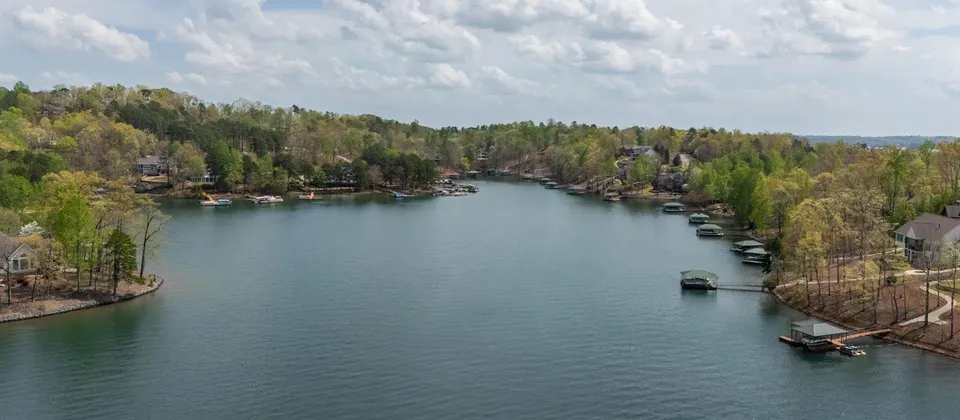
Lake Keowee is the most common replacement water. It is clear, deep and backed by mountains. Duke Energy owns the lake and sets the shoreline and dock rules, so a dock you would take for granted on a tidal creek is a permitting question here. There are no tides to read, which takes some getting used to, and no stingrays, which does not.
The real decision is city, lake or mountain. Coastal buyers frame it as coast versus Upstate. Once they arrive, the choice that matters is Greenville proper, Keowee, or a Cliffs mountain community. They differ in drive times, social life and who your neighbors are on a Wednesday in January.
Kiawah and Palmetto Bluff people will recognize the operator. South Street Partners owns The Cliffs, Palmetto Bluff and the Kiawah Island Club. Same operating philosophy, very different scenery. At The Cliffs, club membership is a separate purchase from the home, and you can own without joining.
Distance sets the rhythm. Charleston is about 3.5 hours from Greenville and Hilton Head about 4. Close enough to keep both homes. Far enough that nobody drives down for dinner.
Three trade-offs worth sitting with
- Salt water for fresh water. Keowee is beautiful, but there is no ocean, no beach and no offshore fishing within easy reach.
- The peninsula for a working downtown. Greenville runs well every month of the year. It does not have Charleston's history or its dining depth.
- Lower storm exposure for a heavier carrying cost. Two homes, with the coastal one likely taxed at 6%, is a real annual expense to weigh against the insurance relief.
Related Insights
If Hilton Head is the island you are weighing, start with what changes when you move from Hilton Head to Greenville, then look at trading the island for a Cliffs community and how The Cliffs and Palmetto Bluff compare under the same owner. For the bigger picture, our guide to living in Greenville SC and our look at why Greenville draws luxury relocation buyers cover the city itself.
A Local, Advisory Perspective
Damian Hall was born and raised in Charleston, so this move is not abstract to us. We understand what it means to leave the marsh, the peninsula and a lifetime of tide charts, and we understand why people do it anyway. Our work is helping coastal owners decide which version of the Upstate fits: city, lake or mountain. Then we help them think through what happens to the house they keep. Most of the good decisions here get made before anyone tours a home.
Frequently Asked Questions
Why are people moving from coastal South Carolina to the Upstate?
Most are tired of the costs and disruptions of coastal living: wind and flood insurance, hurricane evacuations, tourist-season traffic and humid summers. The Upstate offers four seasons, mountains and lakes within about an hour, Greenville's downtown, two health systems and GSP. Family is often the deciding factor, with children or grandchildren already living in Greenville.
Will my beach house lose the 4% property tax rate if I move to Greenville?
Usually yes, if the Greenville home becomes your primary residence. South Carolina allows a married couple only one primary residence, assessed at 4%, and a second home is assessed at 6%. You also have to apply for the 4% ratio on the new home, because it is not automatic.
Does moving from Charleston to Greenville change my state income tax?
No. It is a move within South Carolina, so your state income tax is the same. The financial differences show up in property tax, insurance and the cost of owning two homes if you keep the coastal one.
Is Lake Keowee a good replacement for living on the coast?
For many coastal owners it is the closest substitute in the Upstate, and it is the most common choice. The water is clear and deep with mountain views, but there is no salt water, no beach and no tide. Duke Energy owns the lake and sets shoreline and dock rules, so dock rights need to be checked property by property.
Is the Upstate cooler than Charleston or Hilton Head in summer?
Greenville itself is still hot and humid in summer, so the city alone will not solve the heat. Elevation is what makes the difference, which is why some coastal owners choose mountain communities like Glassy instead of the city. Winters are real but short, and fall is noticeably better than on the coast.
Thinking of selling? A written valuation, with the reasoning, from the team that holds the records. Buying? The Quiet List hears first.