Charleston owners who move to Greenville usually trade the ocean, the peninsula's history and the deepest restaurant scene in the state for four seasons, distance from the hurricane track, and errands that do not depend on a tide table or a bridge. Greenville is about 3.5 hours up the road, close enough that many keep a Charleston house. This is an in-state move, so South Carolina income tax does not change. Property tax does. The 4% legal residence ratio goes with the home you live in, and a Charleston house you keep usually moves to 6%. Fit tends to follow origin. South of Broad and Harleston Village buyers drift toward Augusta Road, Alta Vista and downtown's edges. Mount Pleasant and Daniel Island families look near schools or at newer communities. Kiawah club households often land at The Cliffs, which has the same owner.
Who This Is For (and Who It's Not)
Ideal for
- Peninsula owners who know which streets go under in a hard rain and have moved the car to higher ground ahead of a high tide more than once.
- Mount Pleasant and Daniel Island families who plan the week around I-526 and US 17.
- West Ashley and James Island households whose errands all funnel onto the same few crowded roads.
- Kiawah Island Club members who like how South Street Partners runs a club and want mountains instead of marsh.
- Owners who intend to keep a Charleston house and want a primary home with less storm exposure.
Not ideal for
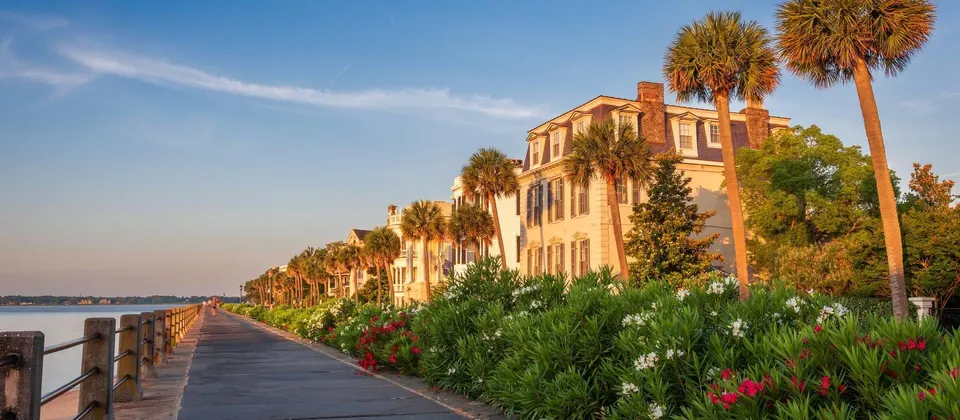
- Anyone whose week depends on salt air, a boat at the dock or a walk along the Battery.
- Diners who eat out four nights a week and expect a serious new restaurant every month.
- Buyers hoping an inland move cures summer. Greenville is hot in July and has no harbor breeze to take the edge off.
- People who need old streets and old houses around them every day. Greenville has history. It does not wear it on every block.
Lifestyle Reality
The first relief is in weather planning. On the peninsula, a king tide or a hard afternoon storm can close low-lying streets, and a hurricane cone aimed at the coast means deciding whether to evacuate. Greenville has its own low spots along creeks, but nobody here checks a tide chart before booking dinner.
Traffic changes shape. Charleston's pressure comes from geography and visitors: I-526, US 17 through Mount Pleasant, the bridges, and a peninsula that fills with tourists every weekend. Greenville has rush hour on I-85. What it lacks is the sense that one stalled car on a bridge can lock up half the county.
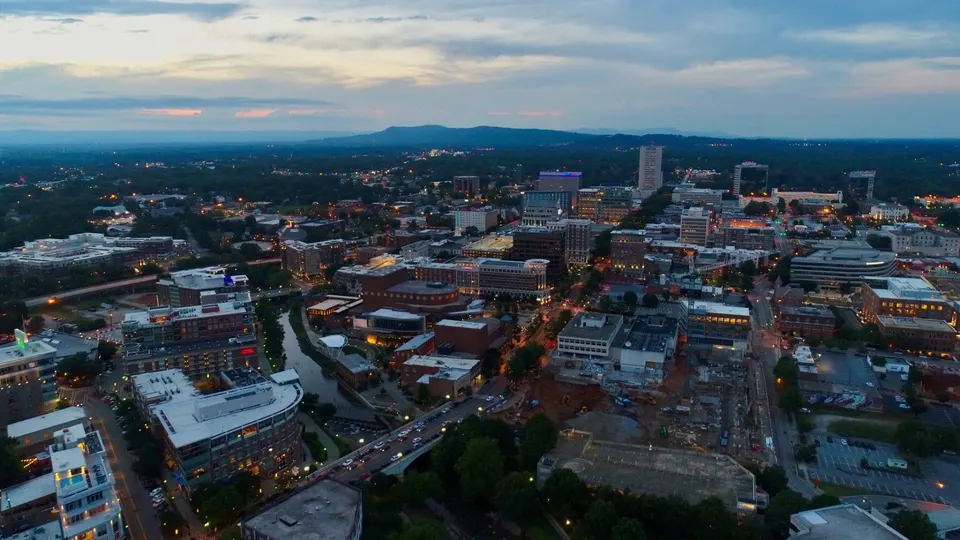
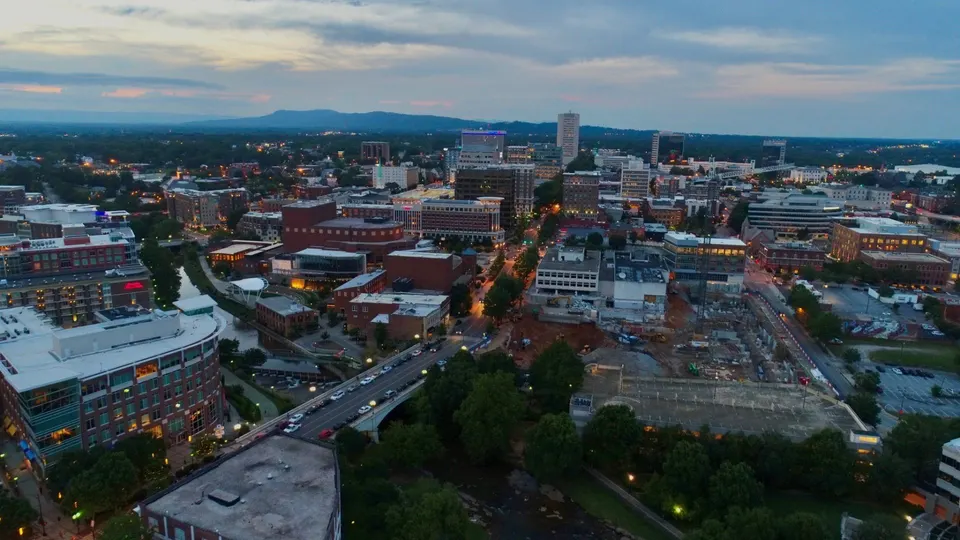
Downtown works differently too. Main Street is walkable and shaded, Falls Park on the Reedy sits right off it, and the Swamp Rabbit Trail runs north toward Travelers Rest. It is a downtown people use on a Tuesday. It is not King Street, and does not try to be.
Food is where Charlestonians are hardest to please. Greenville eats well. The depth is not the same, and neither is the history behind the menus. Lower your expectations a notch and you will enjoy it more.
Healthcare and flying change less than people fear. MUSC is a major academic medical center, and Greenville answers with two full systems in Prisma Health and Bon Secours. CHS gives way to GSP, which had 30 nonstop destinations as of February 2026.
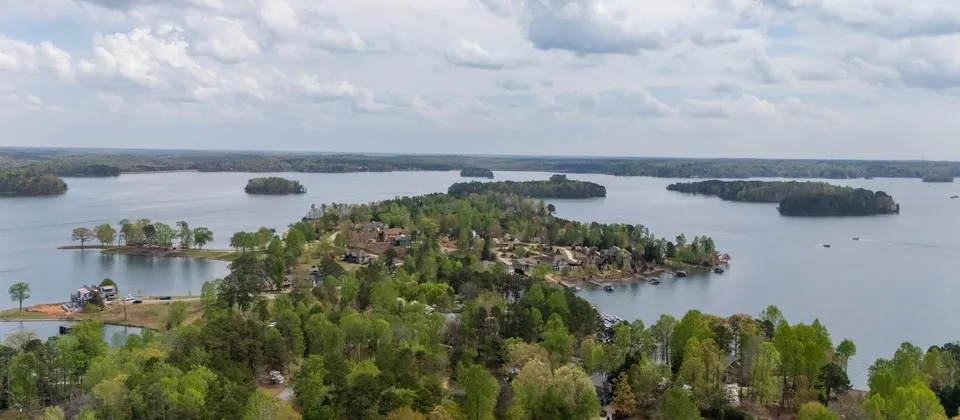
What Greenville adds is everything uphill: fall color on Paris Mountain, Table Rock and Caesars Head within reach, and Lake Keowee for anyone who cannot give up the water entirely.
Real Estate Reality
Match the move by feel, not by price per square foot.
South of Broad and Harleston Village. These buyers want walkability, mature trees and a house with some age to it. In Greenville that usually points to Augusta Road, Alta Vista or the neighborhoods at the edges of downtown. You will not find a Charleston single house with a side piazza. You will find older homes on established streets, close to Main Street.
Mount Pleasant and Daniel Island. Families here are used to schools close by and newer construction. In Greenville they tend to split two ways: established neighborhoods with schools nearby, or newer communities farther out with more house and more lot.
Kiawah. Kiawah Island Club households often look hardest at The Cliffs. South Street Partners owns both, so the operating style will feel familiar. The setting will not: ridgelines and lake coves instead of maritime forest and beach.
Pricing is where Charleston sellers need a reset. A peninsula or Kiawah sale buys a lot of house across most of the Upstate. It buys less than expected on the best streets near downtown Greenville, where good houses tend not to sit.
Insurance gets simpler. Inland homes generally do not carry the wind and hurricane deductibles or flood-insurance questions of a coastal address.
Then the tax piece. Your South Carolina income tax is identical in both cities. Property tax is not. The owner-occupied legal residence is assessed at 4%, a married couple gets only one, and you must apply for it. Make Greenville primary and the Charleston house you keep will usually be assessed at 6%.
Insider Perspective: What Most Buyers Miss
Decide which house is primary before you pick the Greenville house. On a high-value peninsula or Kiawah home, the move from 4% to 6% is a meaningful annual cost. For some owners that number changes how much they spend in Greenville, or whether they keep Charleston at all. Run it with a CPA and the county assessor first.
Check the creek, not the coast. Charleston buyers arrive trained to ask about elevation and flood zones, then stop asking once they are inland. Keep asking. Flood risk in Greenville is local, tied to creeks and low ground, and easy to miss on a dry day.
Your guest room becomes the family evacuation plan. When a storm turns toward the coast, Charleston relatives will remember you live 3.5 hours inland. Size the guest suite accordingly.
Kiawah members will find the club logic reversed. Kiawah Island Club membership comes only through buying a qualifying property, with reported 2026 initiation figures of $185,000 for Golf. At The Cliffs you buy the house, then apply to the club separately, and you can own without joining. Full Golf is $100,000 initiation plus $1,710 a month in 2026, due with the application rather than at closing. Confirm Kiawah's annual dues with the club before comparing.
MUSC does not have to end on moving day. Keeping a specialist you trust through the transition is a reasonable bridge while you build relationships at Prisma Health or Bon Secours. At 3.5 hours, an annual visit is a manageable drive.
Three trade-offs worth sitting with
- The harbor for the hills. No ocean, no beach, no salt marsh. Mountains and Lake Keowee are a different pleasure, not a substitute for the same one.
- Depth of dining for ease of dining. Fewer great restaurants, but you reach them without circling for parking behind a carriage tour.
- Less storm worry for a costlier second house. A Charleston home held at 6%, still carrying coastal insurance, is a real annual bill to weigh against the calm at the new address.
Related Insights
For the wider move from the coast, start with our guide to why coastal South Carolina owners are heading to the Upstate, then see how Greenville stacks up against Charleston and Charlotte and which of Greenville's best luxury neighborhoods suit peninsula buyers. Owners keeping the Charleston place should read about holding a beach house and a mountain home together, and our look at what makes Greenville a luxury relocation destination covers the city's broader pull.
A Local, Advisory Perspective
Damian Hall was born and raised in Charleston, so we see this move from both ends. We know what Greenville offers, and we know exactly what you are leaving behind. That shapes how we match a South of Broad buyer to the right Greenville street or help a Kiawah family weigh The Cliffs. It matters even more for the house you keep. Which home is primary drives taxes, insurance and how often you actually go back, and we would rather settle that question before the first showing.
Frequently Asked Questions
How do taxes change when you move from Charleston to Greenville?
State income tax does not change, because it is a move within South Carolina, but property tax usually does. The 4% legal residence ratio applies only to the home you live in, a married couple can claim one, and you must apply for it. A Charleston house you keep as a second home or rental is usually assessed at 6%.
Which Greenville neighborhoods feel most like South of Broad?
Augusta Road, Alta Vista and the neighborhoods at the edges of downtown are where South of Broad and Harleston Village buyers tend to look first. They offer older homes, mature trees and an easy trip to Main Street. They do not offer Charleston's architecture or the harbor, and nothing in Greenville does.
Is The Cliffs a good fit for Kiawah Island Club members?
Often, yes, because South Street Partners owns both and the club operating style will feel familiar. The structure differs: Kiawah Island Club membership comes only through buying a qualifying property, while at The Cliffs you apply separately and can own without joining. Cliffs Full Golf initiation is $100,000 in 2026, against reported 2026 Kiawah Golf initiation of $185,000.
What do you give up moving from Charleston to Greenville?
The ocean and the restaurant depth are the two biggest losses. Greenville dines well but not as deeply, its history is far less visible in the streets, and its summers are still hot without a harbor breeze. In exchange you leave behind tidal street flooding, evacuation decisions and bridge traffic.
How far is Greenville from Charleston?
Greenville is about 3.5 hours from Charleston by car. That is close enough to keep a Charleston house for long weekends and family weeks, and close enough to keep seeing an MUSC specialist during the transition. It is too far for either city to work as a dinner trip.
Thinking of selling? A written valuation, with the reasoning, from the team that holds the records. Buying? The Quiet List hears first.